
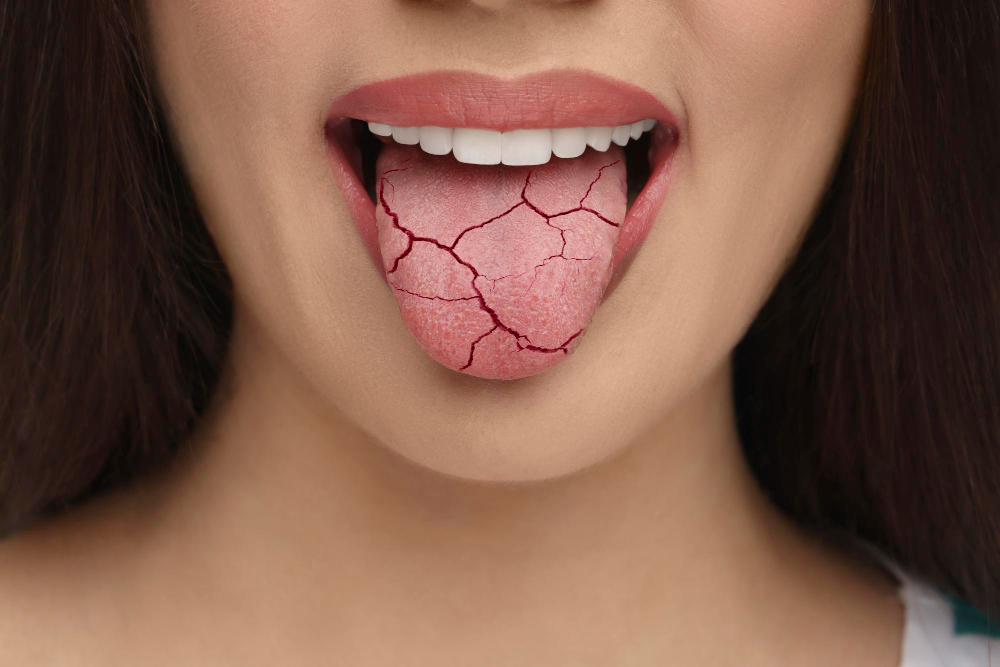
What Is Dry Mouth (Xerostomia)?
Dry mouth (xerostomia) happens when your mouth does not make enough saliva. Saliva is important because it helps you chew, swallow, and talk. It also protects your teeth from decay. Many people feel a dry mouth sometimes, but for some, it is a constant problem. Because dry mouth can affect your health and comfort, it is important to understand its causes and solutions.
Common Symptoms of Dry Mouth
Dry mouth (xerostomia) can cause many uncomfortable symptoms. For example, you may notice:
Sometimes, these symptoms can make eating or talking harder. If you notice them often, it is wise to seek help.
Main Causes and Risk Factors
Many things can cause dry mouth (xerostomia). Some of the most common causes include:
Because some causes are linked to health problems, it is important to find out why you have dry mouth.
How Is Dry Mouth Diagnosed?
To diagnose dry mouth (xerostomia), your dentist or doctor will ask about your symptoms and health history. They may:
Early diagnosis helps prevent problems like tooth decay and mouth infections. Therefore, do not wait to seek advice if you notice symptoms.
Treatment Options and Home Remedies
Treating dry mouth (xerostomia) depends on its cause. However, many people find relief with these steps:
Sometimes, your doctor may adjust your medication or suggest prescription treatments. Always talk to your healthcare provider before making changes.
Lifestyle Tips for Prevention and Relief
Simple lifestyle changes can help prevent or ease dry mouth (xerostomia). For instance, you can:
In dry or hot climates, you may need to drink more water. Because prevention is easier than treatment, these habits can make a big difference.
When to See a Dentist or Doctor
If dry mouth (xerostomia) lasts more than a few days, or if you have trouble eating, swallowing, or speaking, it is time to seek help. Additionally, if you notice mouth sores, tooth decay, or a burning feeling, contact your dentist or doctor. Early care can prevent serious problems and improve your comfort.
Conclusion
Dry mouth (xerostomia) can affect your daily life, but many solutions are available. Because everyone’s needs are different, it is best to get advice from a professional. Consult a dental professional at Nithin’s Dental Clinic for personalized advice on managing dry mouth (xerostomia).