
What Is Malocclusion?
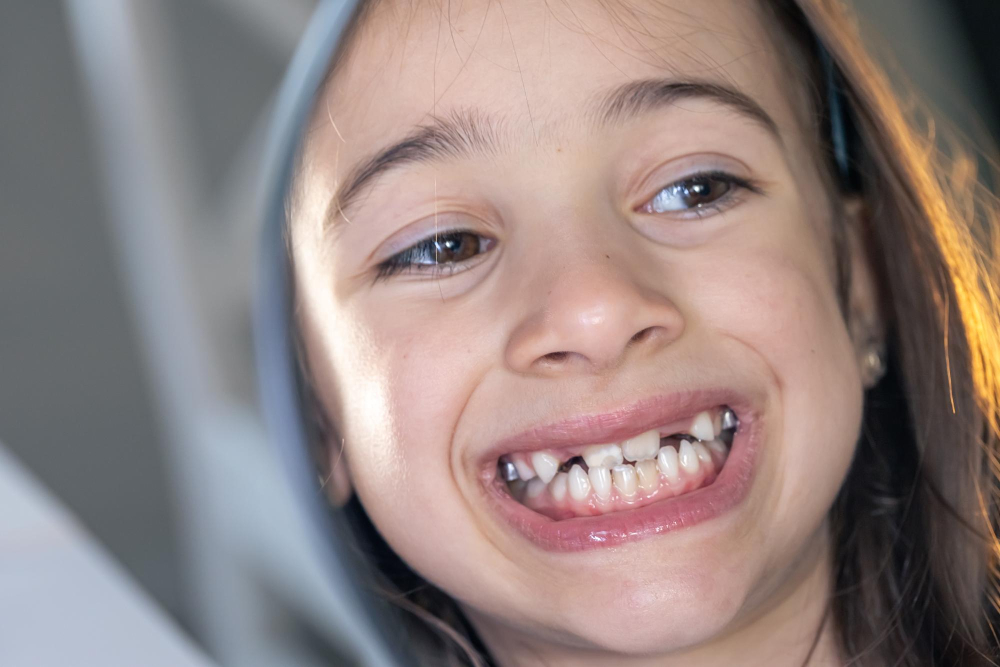
Malocclusion means your teeth are not lined up properly. In other words, your upper and lower teeth do not fit together as they should. Because of this, you may notice your bite feels off or your teeth look crooked. Dentists often call this dental misalignment. Although mild cases may not cause problems, severe malocclusion can affect eating, speaking, and even your confidence.
Common Symptoms and Signs
Often, people with malocclusion notice certain signs early. For example, you might see:
Sometimes, these symptoms are mild. However, if you notice any of these signs, it is wise to talk to a dentist.
Root Causes of Malocclusion
Many people wonder, “Why does malocclusion happen?” The root causes of malocclusion vary. Below, you will find the most common dental misalignment causes:
Genetic Factors
First, genetics play a big role. If your parents had crooked teeth or jaw problems, you may inherit these traits. According to the World Health Organization, genetics are a leading malocclusion risk factor.
Childhood Habits
Next, certain habits in childhood can affect how teeth grow. For instance, thumb sucking, using a pacifier for too long, or tongue thrusting can push teeth out of place. Even nail biting or chewing on objects may cause problems over time.
Jaw Development Issues
Sometimes, the upper and lower jaws grow at different rates. Because of this, the teeth may not line up. This can lead to an overbite, underbite, or crossbite. Early loss of baby teeth can also affect jaw growth and tooth alignment.
Dental Crowding
When there is not enough space in the mouth, teeth may crowd together. As a result, they can twist or overlap. This is a common reason for dental misalignment, especially in children and teens.
Trauma or Injury
Accidents or injuries to the face or jaw can move teeth out of place. For example, a fall or sports injury may cause dental misalignment. Sometimes, losing a tooth early due to trauma can also lead to shifting teeth.
Other Causes
All these factors can increase the risk of malocclusion. However, early detection can help prevent more serious problems.
Diagnosis Methods
Dentists use several ways to check for malocclusion. First, they will look at your teeth and jaw during a dental exam. Next, they may take X-rays to see how your teeth and jaw fit together. Sometimes, dentists use molds or digital scans to create a model of your mouth. This helps them plan the best treatment for you.
Prevention Tips and Lifestyle Guidance
Although you cannot change your genes, you can lower your risk of dental misalignment. Here are some helpful tips:
With these steps, you can help keep your teeth healthy and straight. Early action often leads to better results.
Conclusion
In summary, the root causes of malocclusion include genetics, habits, jaw growth issues, crowding, and injuries. Because dental misalignment can affect your health and confidence, it is important to seek help early. For expert guidance on malocclusion, consult the specialists at Nithin’s Dental Clinic for a personalized treatment plan.