
Introduction
Teeth whitening is a popular way to brighten your smile. Many people want whiter teeth for a boost in confidence. Because of this, teeth whitening has become common in dental care. You may see many products and treatments that promise a whiter smile. However, it is important to know which methods are safe and effective. In this blog, we will explain teeth whitening, its benefits, safe teeth whitening methods, and how to care for your teeth after treatment.
What Is Teeth Whitening?
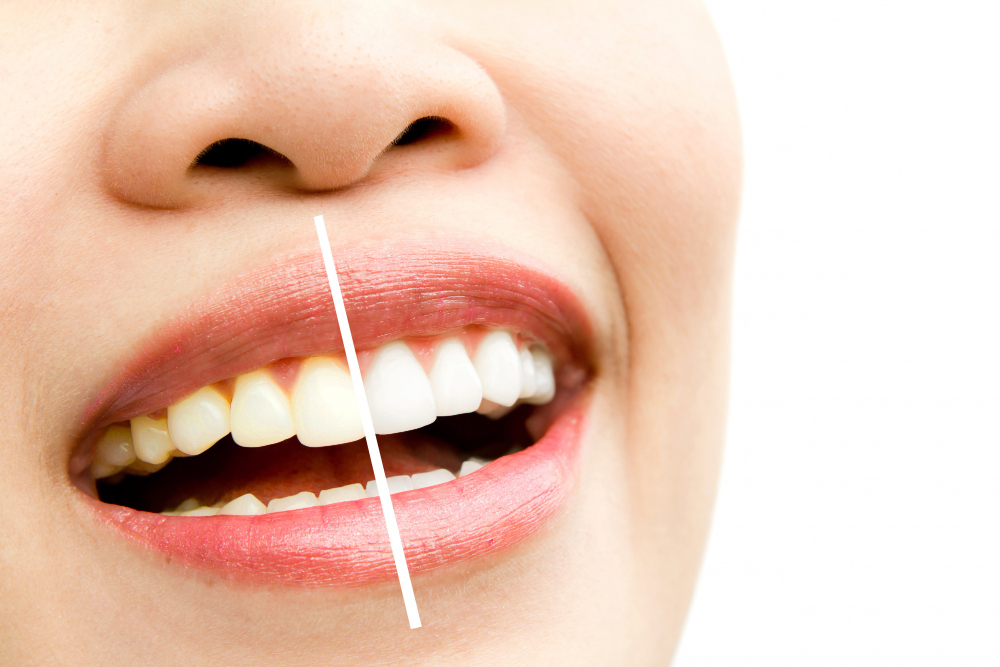
Teeth whitening is a process that makes your teeth look whiter. It removes stains and discoloration from the surface of your teeth. Usually, this is done with special gels or solutions. Some treatments are done by dentists, while others can be used at home. Most teeth whitening methods use safe chemicals to break down stains. As a result, your teeth look brighter and cleaner.
Common Causes of Tooth Discoloration
Many things can cause your teeth to lose their natural color. For example, certain foods and drinks can stain your teeth over time. Here are some common causes:
Because of these factors, even healthy teeth can become discolored. But with the right care, you can help prevent stains.
Teeth Whitening Methods
There are several ways to whiten your teeth. Each method has its own benefits and risks. Let’s look at the most common options.
In-Office Professional Whitening
Professional teeth whitening is done by a dentist. This method uses strong whitening agents for fast results. Often, a special light or laser is used to boost the effect. Most people see a big change after just one visit. Because dentists use safe teeth whitening methods, the risk of side effects is low.
At-Home Whitening Kits
At-home kits are easy to use and widely available. These kits may include whitening strips, gels, or trays. While they are less powerful than in-office treatments, they can still brighten your smile. However, results may take longer. Always follow the instructions to avoid problems.
Natural Remedies (With Caution)
Some people try natural ways to whiten teeth, like baking soda or hydrogen peroxide. However, these methods can harm your enamel if used too often. Therefore, it is best to talk to your dentist before trying any home remedies.
Benefits of Teeth Whitening
Teeth whitening offers many advantages. For instance, it can:
Because of these benefits, many people choose to whiten their teeth for special events or daily life.
Safety and Potential Risks
Most teeth whitening methods are safe when used correctly. However, some risks can occur. For example, you may notice:
To reduce risks, always use products as directed. If you have concerns, ask your dentist about safe teeth whitening methods. The American Dental Association (ADA) suggests choosing products with their Seal of Acceptance.
Aftercare Tips for Lasting Results
After whitening your teeth, you will want to keep your smile bright. Here are some helpful aftercare tips:
With good aftercare, your results can last longer. In addition, you can help prevent new stains from forming.
Frequently Asked Questions About Teeth Whitening
When to Consult a Dentist
If you are thinking about teeth whitening, it is wise to see a dentist first. They can check your teeth and suggest the best method for you. Also, if you have sensitive teeth or dental work, your dentist can help you avoid problems. In some cases, professional teeth whitening is the safest choice. For those looking for teeth whitening in your area, ask your local dental clinic about their options.
Conclusion and Call-to-Action
Teeth whitening can give you a brighter, more confident smile. With many safe teeth whitening methods available, you can choose what works best for you. However, always follow aftercare tips for lasting results. If you have questions or want to know how to whiten teeth safely, consult a dental professional at Nithin’s Dental Clinic for personalized teeth whitening guidance.