
Why Brushing Techniques Matter
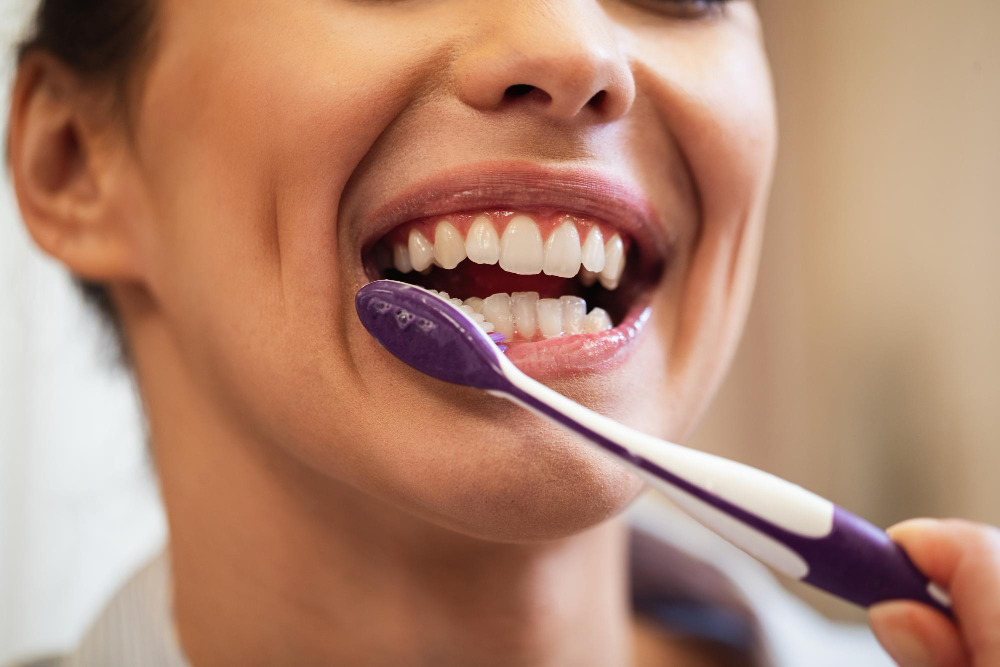
Good brushing techniques are key to strong teeth and healthy gums. When you brush your teeth the right way, you remove food and plaque. As a result, you lower your risk of cavities and gum disease. According to the American Dental Association (ADA), proper brushing is one of the best ways to keep your mouth healthy. However, many people do not brush as well as they should. That is why learning the best way to brush teeth is so important.
Step-by-Step Guide: How to Brush Teeth Properly
For the best results, follow these simple steps every time you brush:
Remember, gentle brushing is more effective than hard scrubbing. Over time, harsh brushing can harm your gums and enamel.
Common Mistakes to Avoid When Brushing
Many people make simple mistakes that can hurt their oral health. For example, some brush too hard or use the wrong technique. Here are mistakes to avoid:
By avoiding these errors, you can keep your teeth and gums much healthier.
How Often and How Long Should You Brush?
For good oral hygiene, brush your teeth at least twice a day. Each session should last for two minutes. Set a timer or play a short song to help you keep track. In addition, brushing after meals can help remove food particles. However, wait at least 30 minutes after eating acidic foods to protect your enamel.
Choosing the Right Toothbrush and Toothpaste
Picking the right tools makes a big difference. Here are some tips:
For children, select a toothbrush and toothpaste made for their age group. Always supervise young children while they brush.
Tips for Brushing: Children and Adults
Brushing needs can change with age. For children, use a pea-sized amount of toothpaste. Teach them to spit out the paste, not swallow it. For adults, focus on all tooth surfaces and the gum line. In addition, use gentle pressure to avoid gum damage. If you have braces or dental work, ask your dentist for special brushing tips.
Preventing Dental Problems with Correct Brushing
Proper brushing techniques help prevent many dental problems. For instance, you can lower your risk of cavities, gum disease, and bad breath. Along with brushing, floss daily and visit your dentist regularly. These habits work together to keep your mouth healthy. According to the World Health Organization (WHO), good oral hygiene can also improve your overall health.
Conclusion: Take Charge of Your Oral Health
In summary, using the right brushing techniques is one of the best ways to protect your teeth and gums. Make brushing a regular part of your daily routine. For personalized oral care advice, consult a dentist at Nithin’s Dental Clinic. They can help you find the best brushing methods for your needs.