
Introduction
Gum diseases are common problems that affect many people. They can cause pain, swelling, and even tooth loss if not treated. Understanding the causes of gum diseases is important for keeping your mouth healthy. When you know what leads to these problems, you can take steps to prevent them. In this guide, we will explain what gum diseases are, their main causes, who is at risk, and how you can protect your gums.
What Are Gum Diseases?
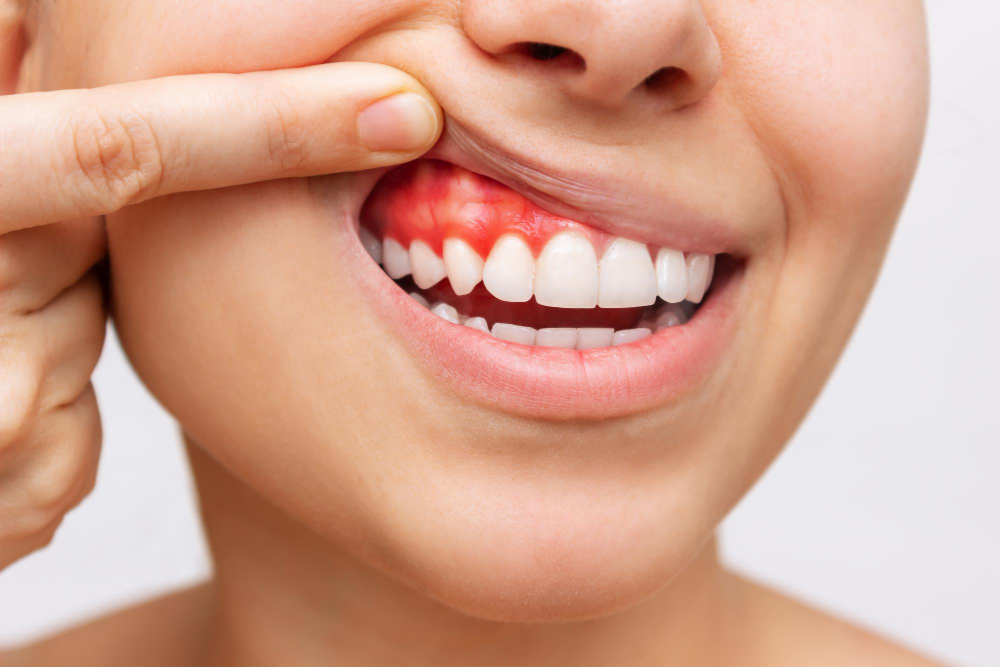
Gum diseases are infections or swelling of the tissues that support your teeth. The most common types are gingivitis and periodontitis. Gingivitis is the early stage, where gums become red and swollen. If not treated, it can turn into periodontitis. At this stage, the gums pull away from the teeth, and bone can be lost. According to the CDC, gum diseases are a leading cause of tooth loss in adults. Early detection and care can help prevent serious problems.
Main Causes of Gum Diseases
Many things can lead to gum diseases. However, some causes are more common than others. Below are the main reasons people develop gum problems:
Because these causes are common, it is important to pay attention to your daily habits. For example, brushing and flossing can remove plaque before it causes harm. If you smoke, quitting can greatly lower your risk.
Risk Factors
Some people are more likely to develop gum diseases. Knowing these risk factors can help you stay alert. Here are the main groups at higher risk:
Even if you have one or more risk factors, you can still take steps to protect your gums. For instance, regular dental checkups can catch problems early.
How to Reduce Your Risk
Fortunately, you can lower your risk of gum diseases with some simple steps. Here are some tips to help keep your gums healthy:
Additionally, let your dentist know about any changes in your health or medications. This way, they can give you the best advice for your situation.
Conclusion
In summary, gum diseases can be serious, but you can prevent them by understanding their causes. Good oral care, healthy habits, and regular dental visits make a big difference. If you notice signs like bleeding gums or swelling, do not wait. Consult a dental professional at Nithin’s Dental Clinic for personalized advice and care.