
Introduction
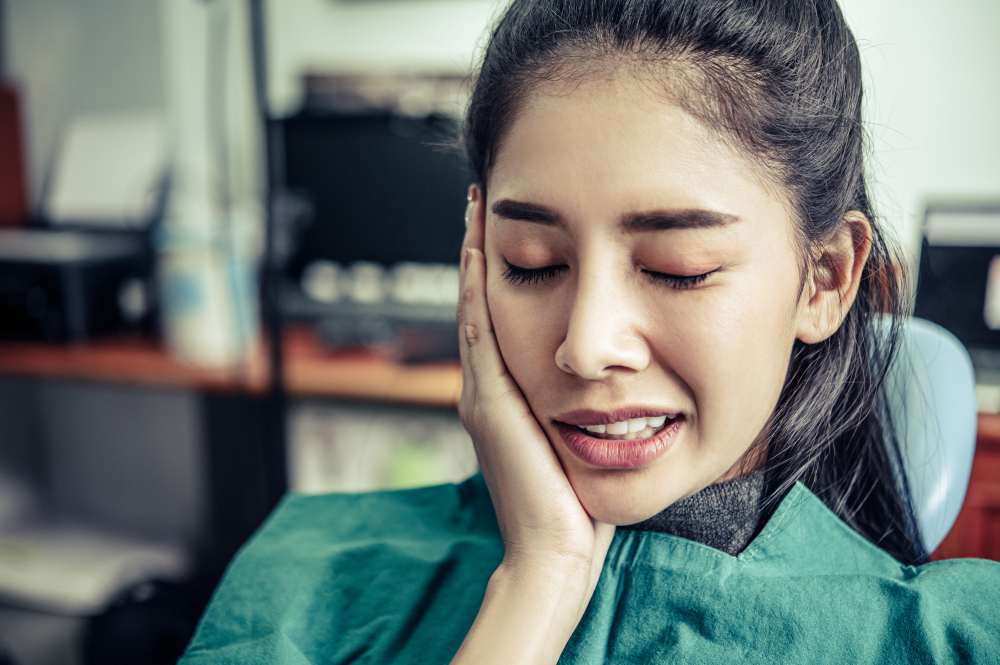
Jaw pain and teeth grinding (bruxism) are common problems. Many people do not realize they have them. Bruxism means you grind, clench, or gnash your teeth. This can happen during the day or while you sleep. Over time, it may cause jaw pain, headaches, or worn teeth. In fact, studies show that up to 30% of adults grind their teeth at night. Because jaw pain and teeth grinding can affect your daily life, it is important to know the signs and how to get help.
Common Symptoms
Jaw pain and teeth grinding (bruxism) can cause many symptoms. Some are easy to spot, while others are not. Look for these signs:
Main Causes and Risk Factors
There are many bruxism causes. Some people grind their teeth because of stress. Others may have habits or health issues that increase their risk. Here are the main causes and risk factors:
Diagnosis
Often, people do not know they grind their teeth. However, dentists can spot the signs during a check-up. First, your dentist will ask about your symptoms and habits. Next, they will look for worn teeth, jaw tenderness, or damage inside your mouth. Sometimes, your dentist may suggest a sleep study. This can help find out if you grind your teeth at night. Early diagnosis is important for jaw pain relief and to prevent further damage.
Treatment Options
There are many ways to treat jaw pain and teeth grinding (bruxism). Your dentist will suggest the best plan for you. Here are common treatment options:
For more dentist advice for bruxism, always ask your dental care provider.
Prevention and Lifestyle Guidance
While you may not stop teeth grinding completely, you can lower your risk. Try these tips for prevention and jaw pain relief:
When to See a Dentist
Sometimes, jaw pain and teeth grinding (bruxism) need professional care. See a dentist if:
Early treatment can prevent more serious problems.
Reliable Sources and References
Conclusion and Call-to-Action
Jaw pain and teeth grinding (bruxism) can affect your comfort and health. Don’t live with the pain. With the right care and advice, you can find relief. If you notice symptoms or have concerns, consult a dentist at Nithin’s Dental Clinic for personalized guidance on jaw pain and teeth grinding.